 Make "Great Games"
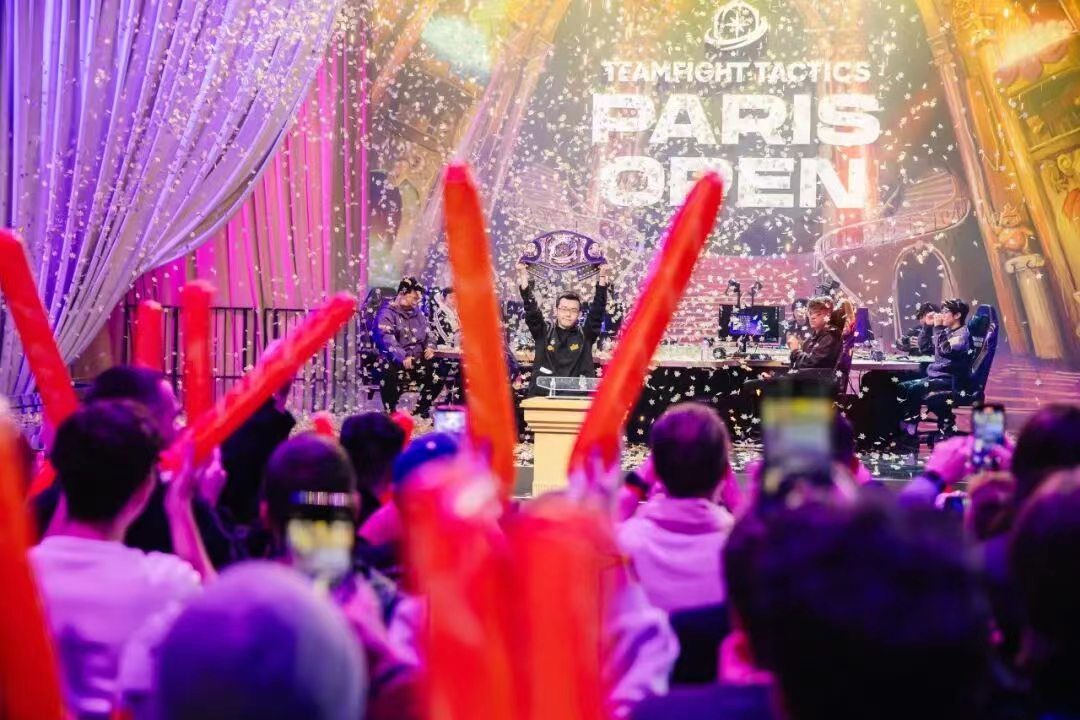
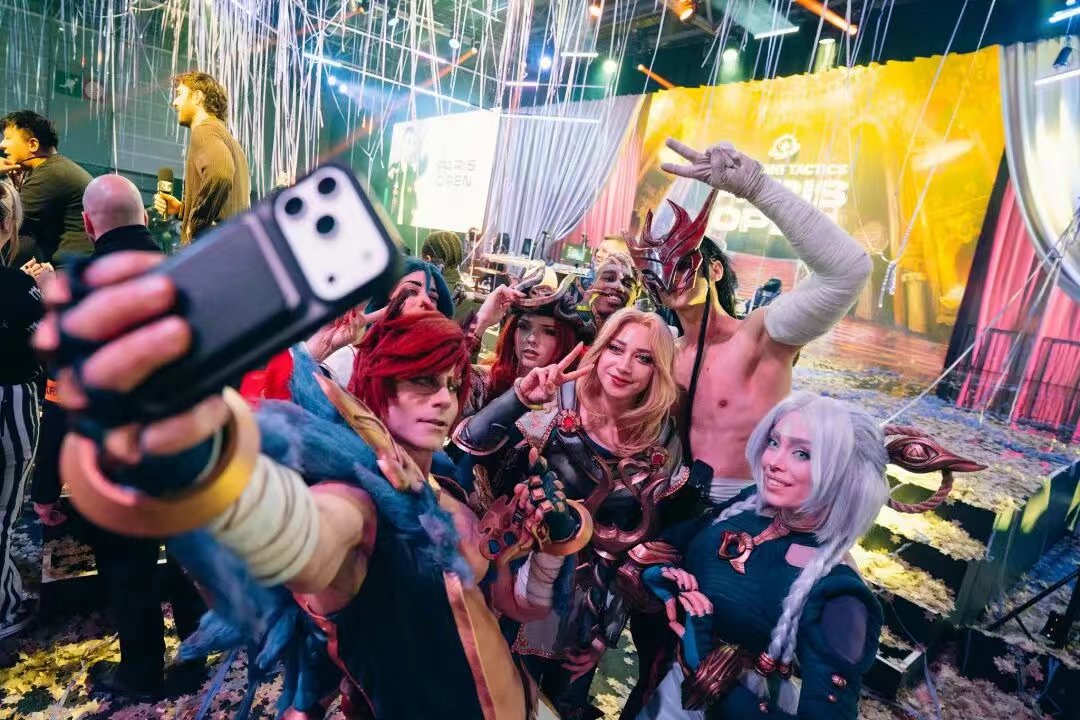
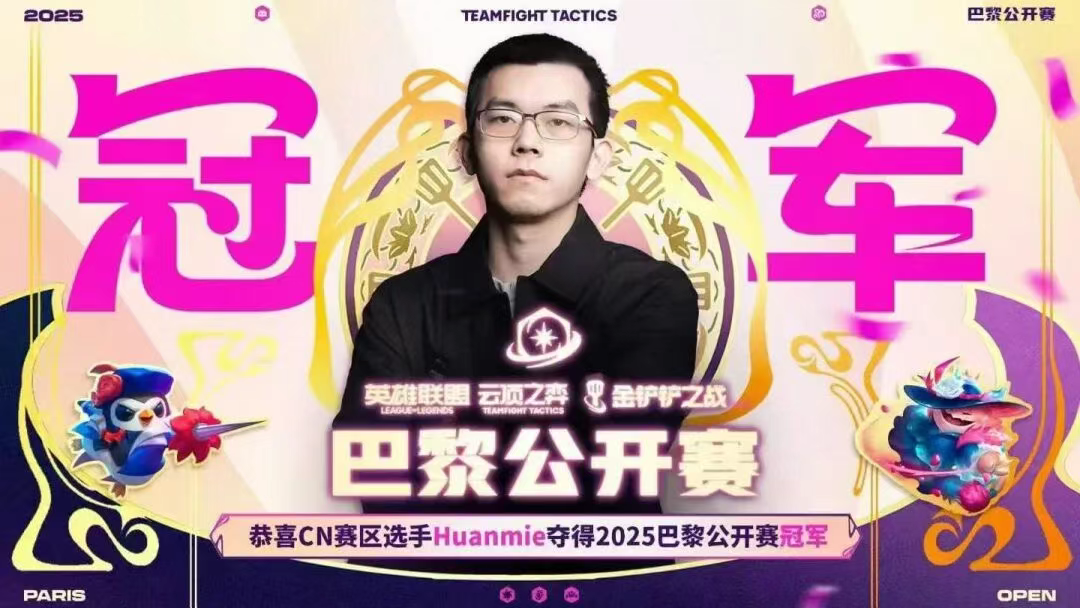
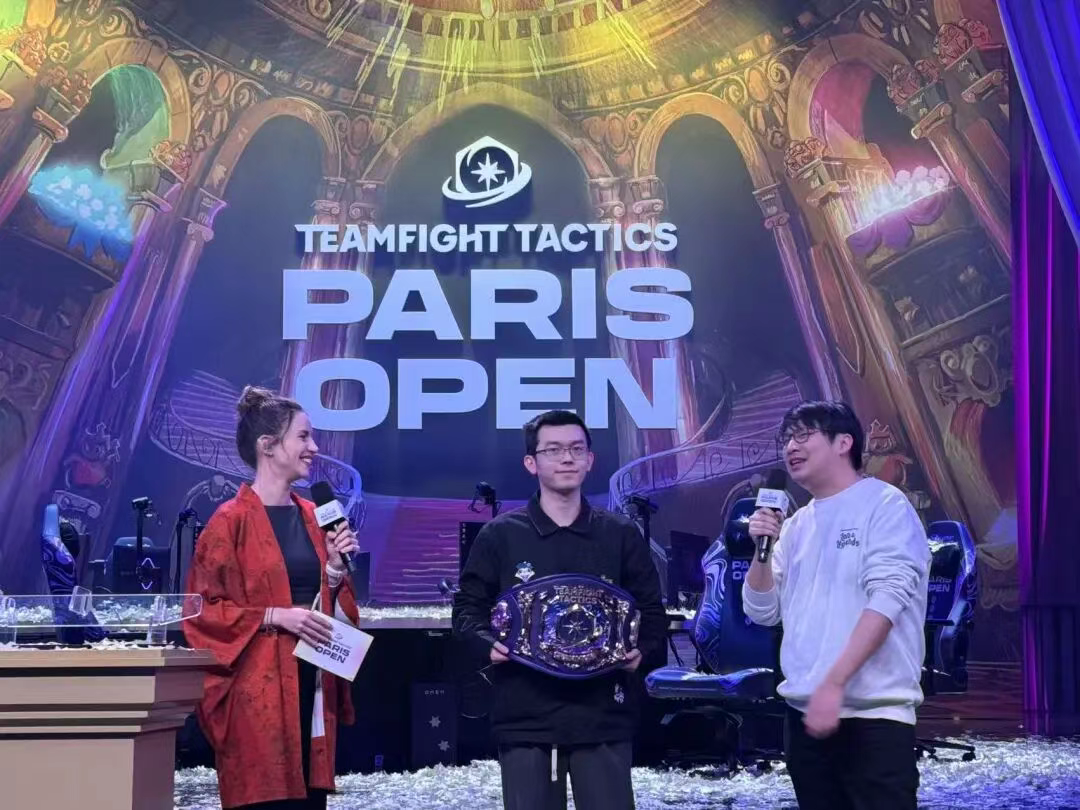
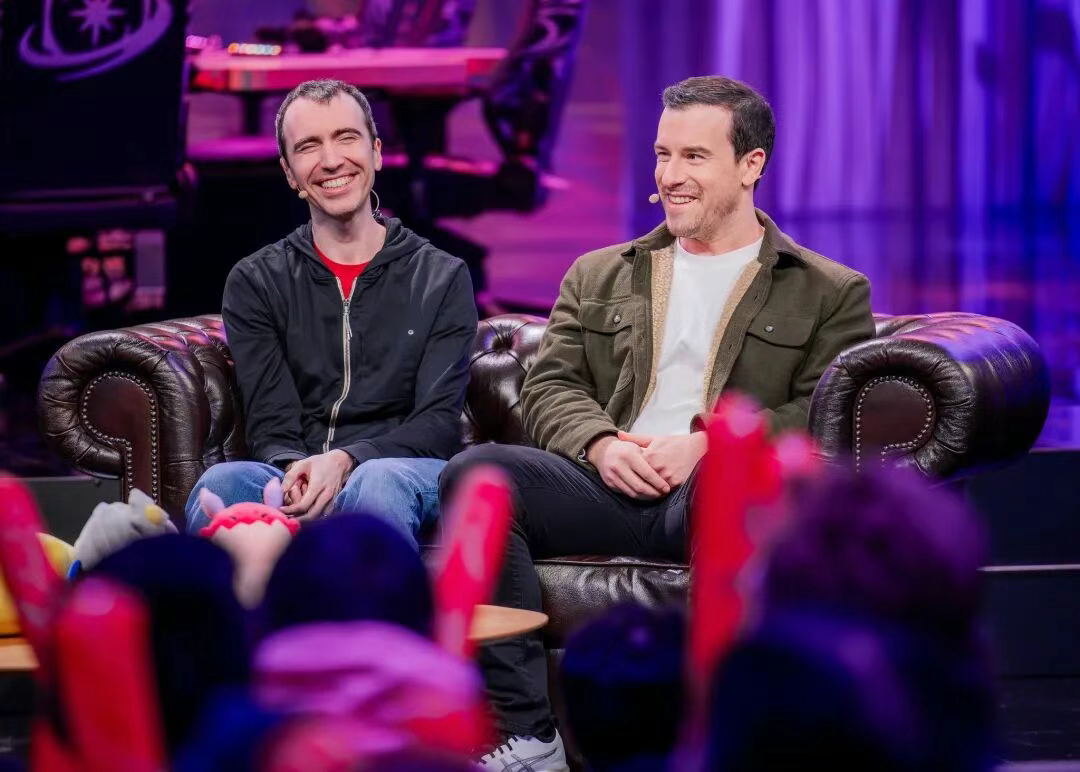
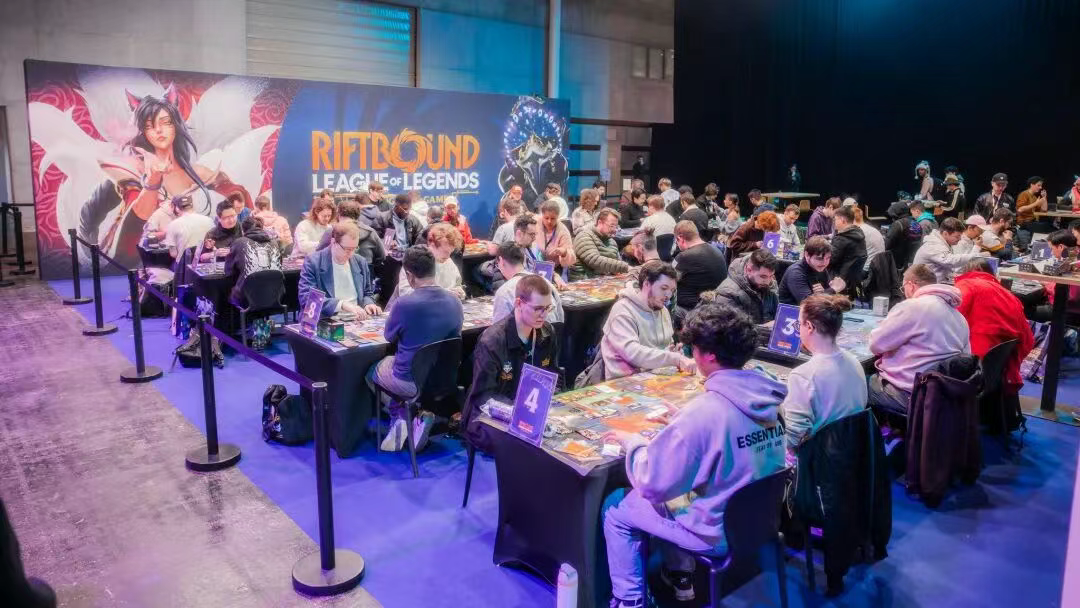
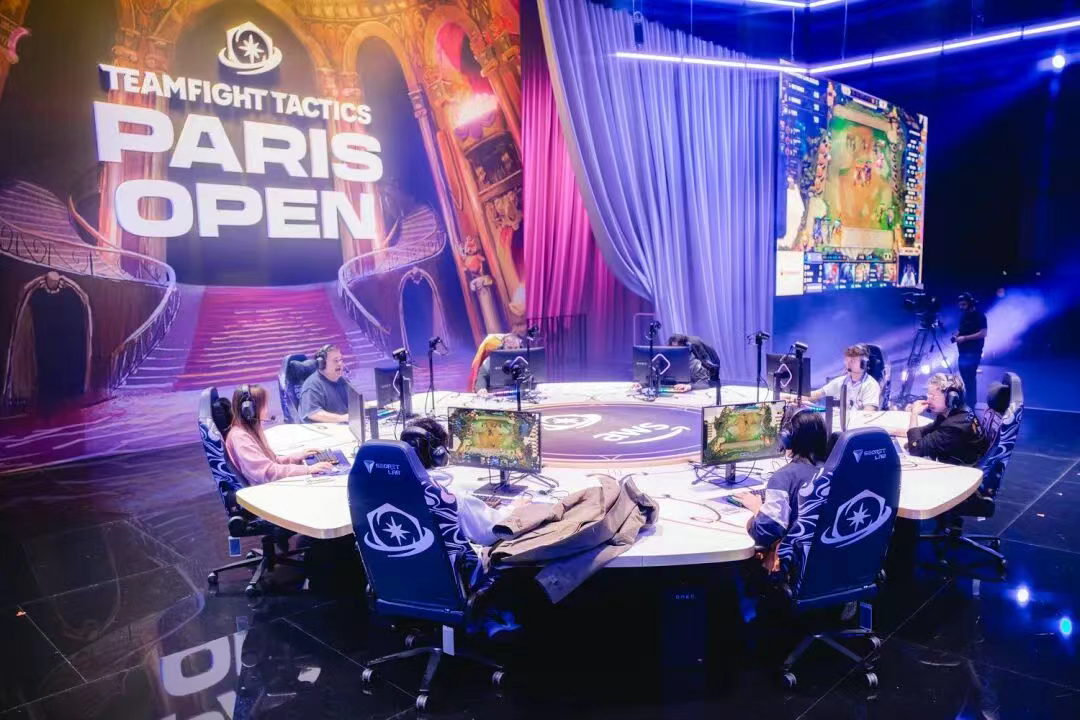
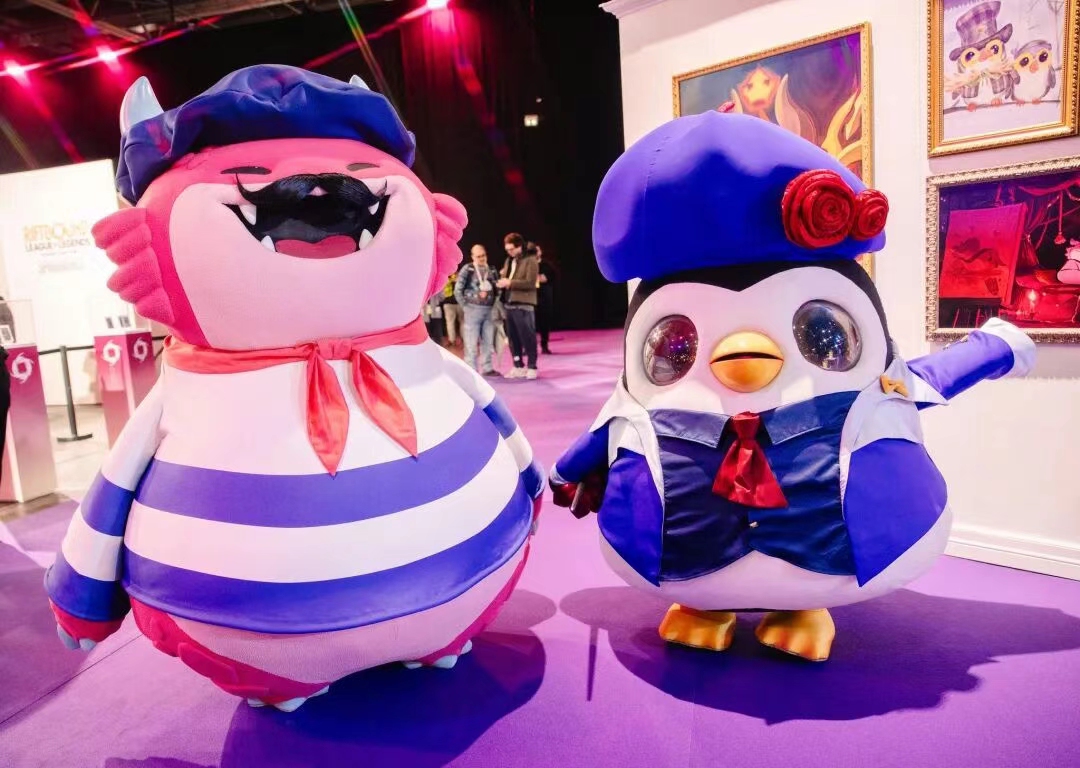
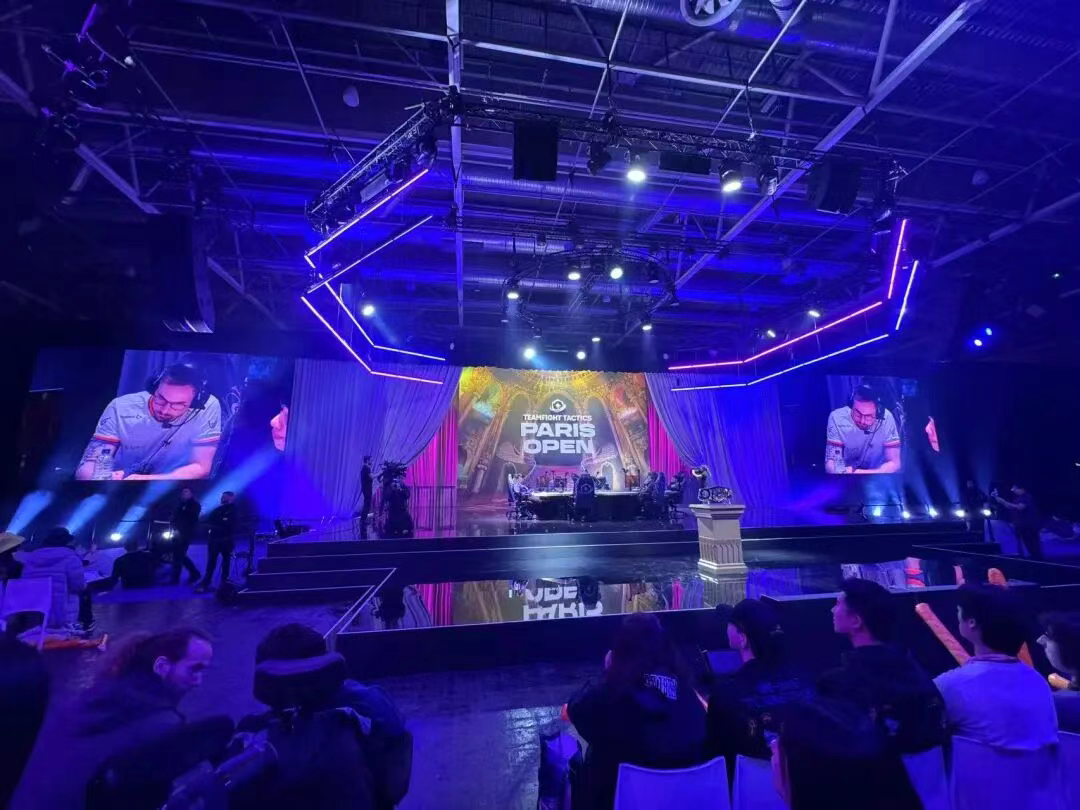
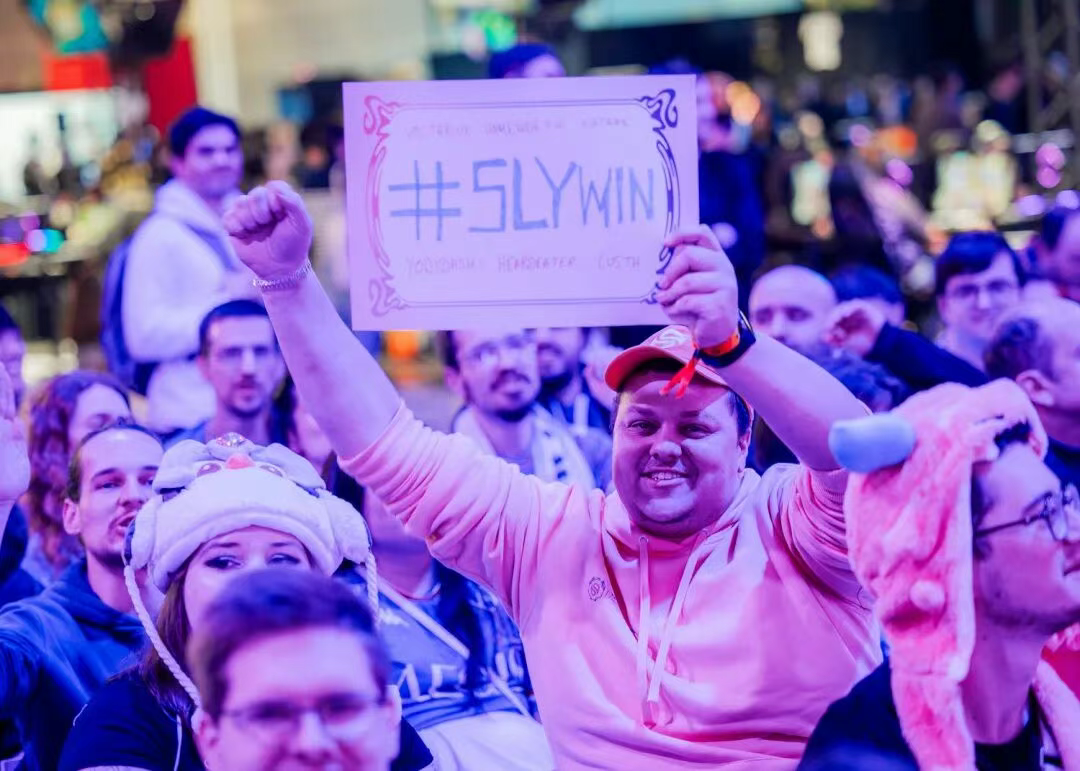
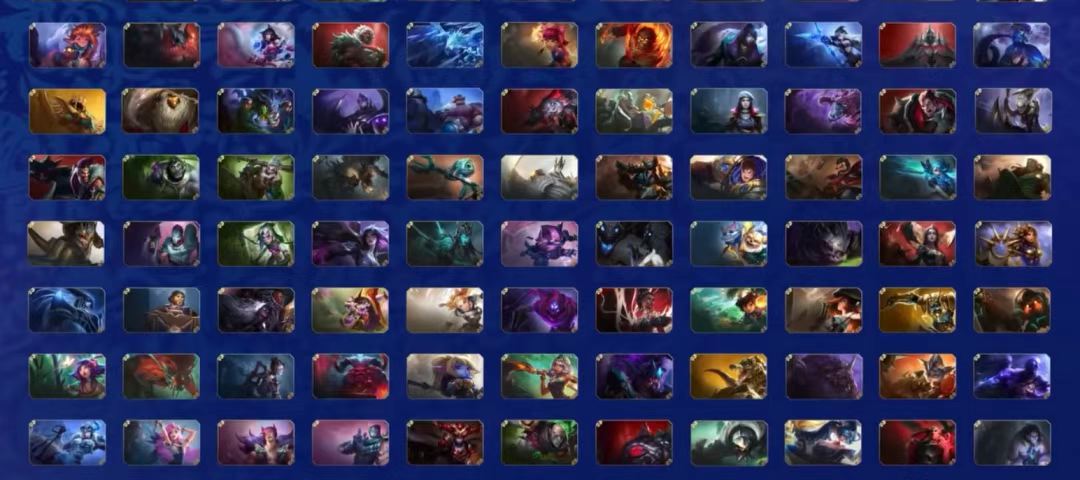
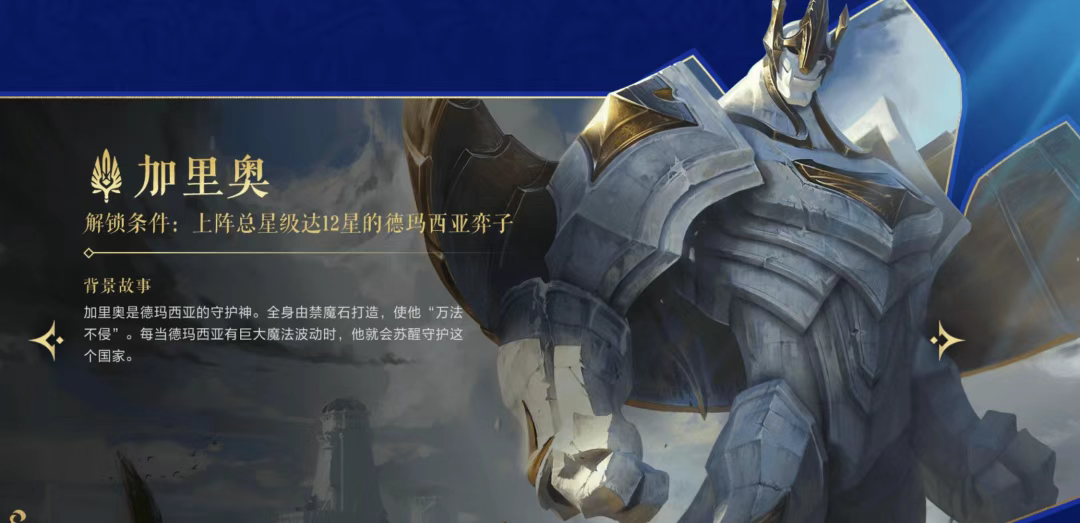
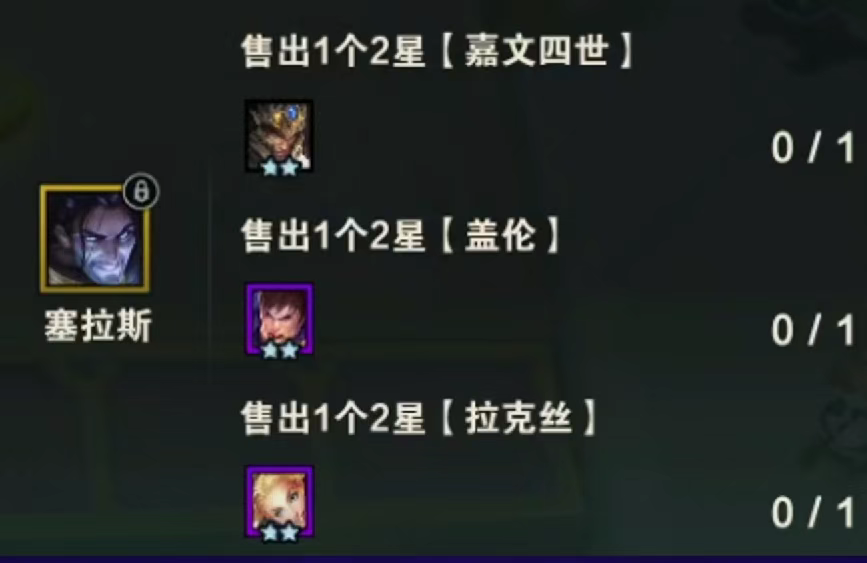
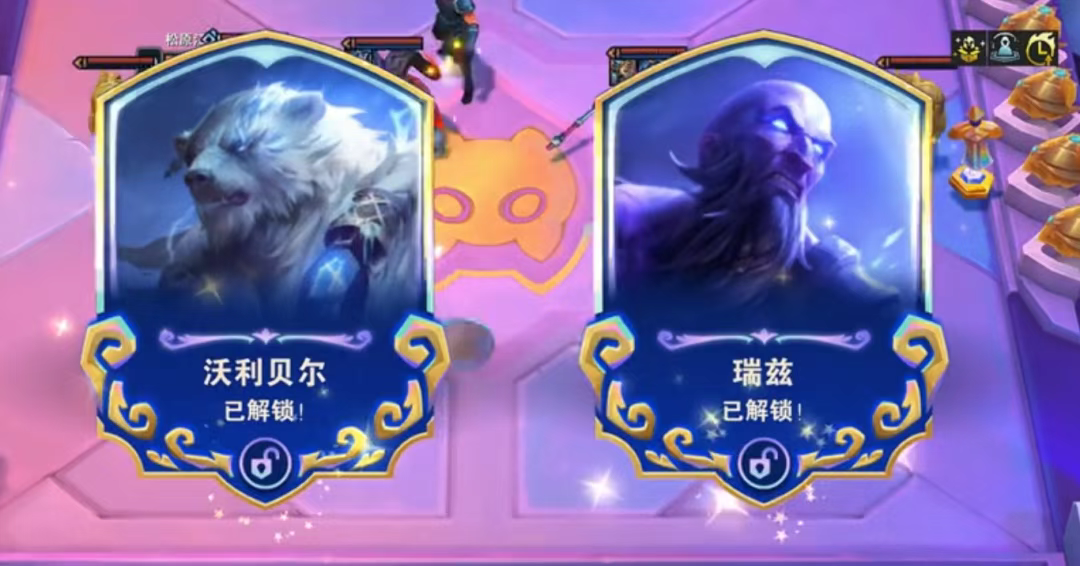
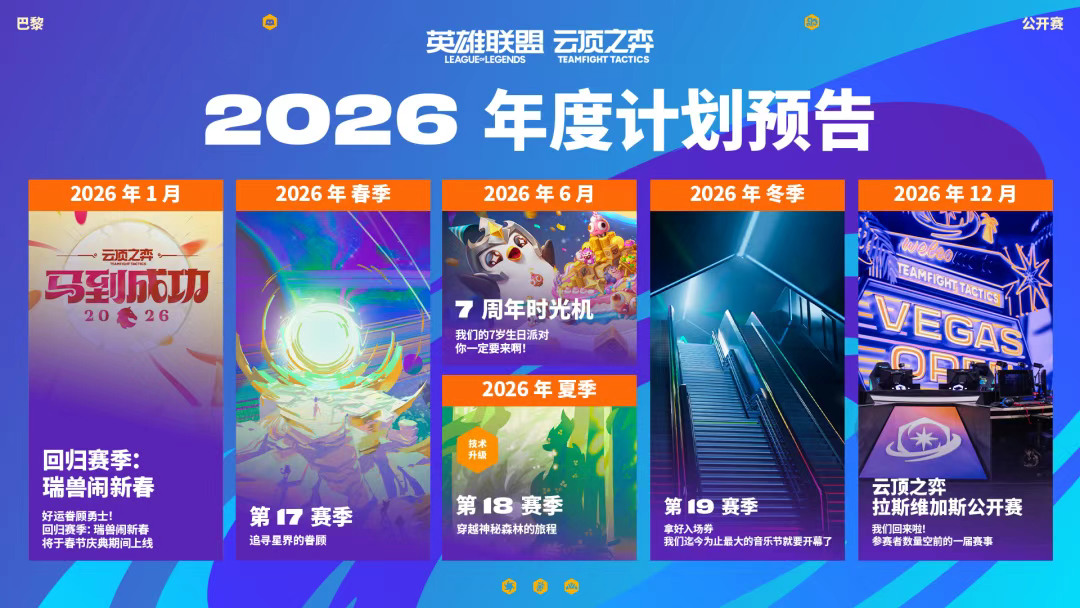
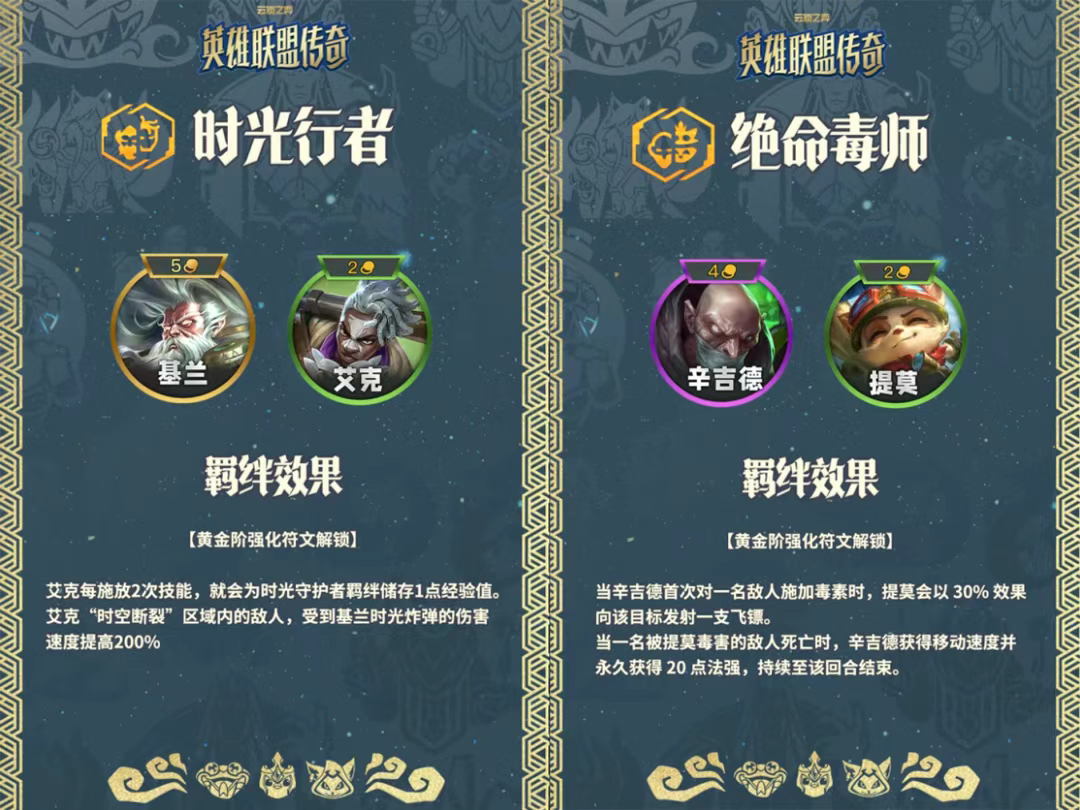
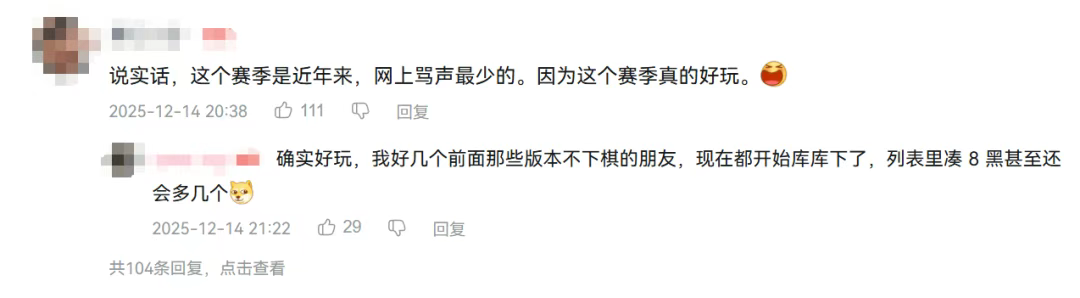
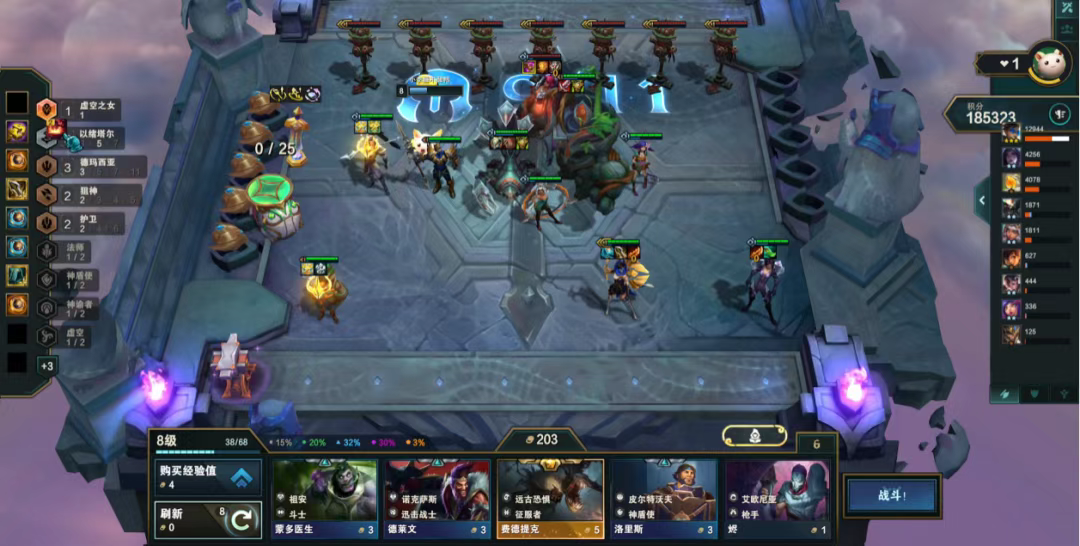
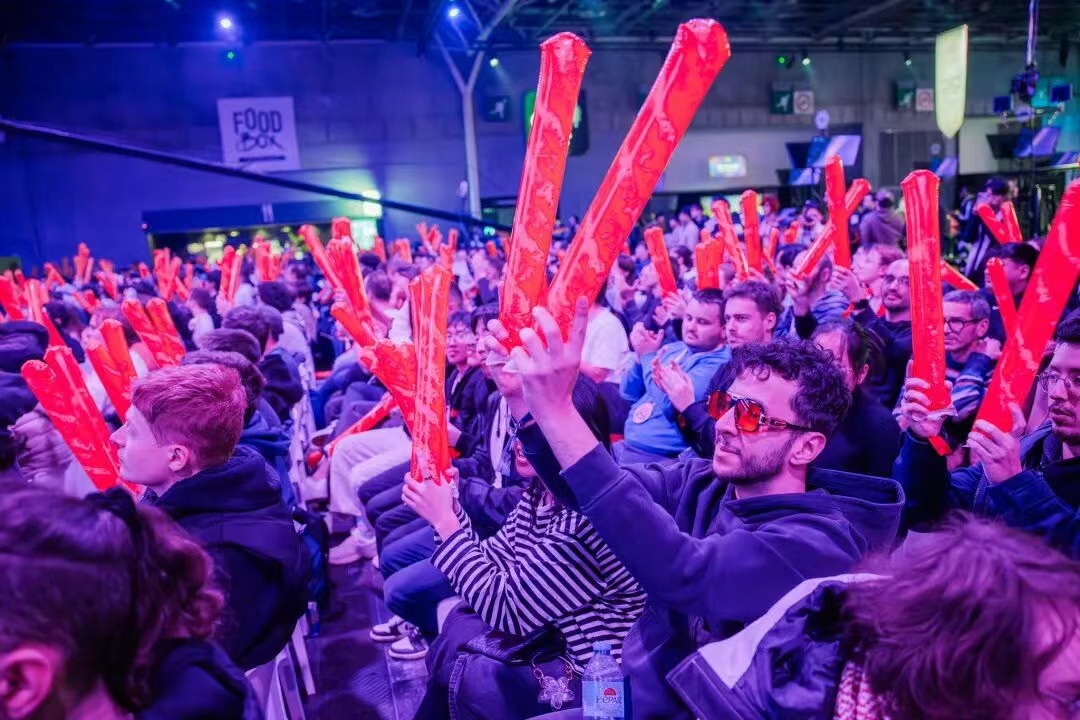
Author: Qian Hongyan Editor: Shelby Zhu When people think of Paris, the keyword that often comes to mind is "romance," relating to the city's history, character, and emotions. But what exactly is romance? A precise, definitive definition has always been elusive. During my three-day, two-night trip to Paris this time, I suddenly realized that romance, ultimately, is about human stories. On December 12th, the 2025 Teamfight Tactics Paris Open (TPO) grandly opened in Paris. A total of 768 competitors from around the world gathered to compete for the championship. This marks the third TFT Open event, following those held in Las Vegas, USA, and Macau, China. At the venue, every 8 competitors sat in a circle— sometimes scratching their heads, sometimes deep in thought, and of course, celebrating with joy and cheers after a win. In the end, only 8 out of 768 competitors made it to the finals stage. However, TPO was more than just a competition. Alongside the competitors, thousands of players gathered by the Seine River. They interacted and took photos with League of Legends cosplayers, stood behind their favorite competitors watching their strategies, or, more actively, joined friends and strangers for fun matches in casual modes. I also saw many familiar faces, such as Huanmie and XiaoLiluo, who had clinched the champion and runner-up titles respectively at this event. Yes, it was incredibly exciting—competitor Huanmie from the CN region ultimately secured the Paris Open championship with an absolute advantage. Although XiaoLiluo fell just short, he still achieved an excellent second-place finish. This marks the second time the CN region has topped the podium in the TFT Open series events, following Shiquz's victory at the second Macau Open, creating an outstanding record of two consecutive championships for the region. All Chinese players on-site were thrilled and filled with pride at this result. Whether at the venue or backstage, the first words exchanged upon meeting were almost always "God Mie, amazing!" or "CN TFT, BEST TFT." I also met well-known LoL esports players like Ming and Baolan, who enjoyed this offline gathering just like most gamers. Just ten days prior, TFT had launched its largest-ever set, "Lore and Legends". Now, the world's top players had gathered to test the innovations and quality of Set 16. For the creators, their hearts were undoubtedly filled with a mix of excitement and nervous anticipation. Seizing this opportunity, we spoke with Geoffrey Virtue, Executive Producer of the Teamfight Tactics series, and Peter Whalen, Game Director of Teamfight Tactics. We discussed their feelings being at TPO, talked about the newly arrived Set 16, and explored the future of Teamfight Tactics. Teamfight Tactics Series Executive Producer Geoffrey Virtue (right) and Teamfight Tactics Game Director Peter Whalen (left) Compared to conventional professional esports events, TPO felt more like a player carnival for the League of Legends IP. Not only was TFT present, but new League IP games launched this year, like 2XKO and Riftbound, also made appearances at the TPO venue. Beyond watching TFT players engage in intense battles, attendees could try their hand at 2XKO, controlling League champions for some visceral fighting action with friends. The venue also provided a spacious Riftbound play area for players to showcase their skills. Observing a few French players from behind, I noticed some were already using the latest Azir and Irelia decks released in December—truly keeping up with the trends. Geoffrey also views the Paris Open as a journey or a show. He greatly appreciates how TPO presents the League of Legends IP in a diversified manner through events like this, as it undoubtedly offers players richer choices. After the first day of competition, Geoffrey spoke with many competitors who had not advanced to day two, asking what they planned to do for the next two days. He was pleasantly surprised to find that the vast majority were willing to stay at the TPO venue to experience other games, watch their friends continue competing, or participate in some casual mode tournaments. Ultimately, they are not just TFT competitors; they are also players within the League of Legends IP. I believe this is also the atmosphere this year's Paris Open aimed to cultivate for players: whether you play Summoner's Rift or TFT, PC or mobile, 2XKO or Rune Terra, or even VALORANT, you are always a member of this big family. This utopian sense of romance and belonging was our strongest feeling during the three days in Paris. Since the competition was held in France, French players accounted for the majority of the venue. A clear proof of this is that there was a French competitor named Toddy in the finals — his performance directly affected the emotions of most on-site players. The audience cheered when he drew key cards and sighed in unison when he lost the game, showing a quite obvious home-court advantage. Yet similarly, when CN region player Huanmie ultimately won the championship, the players on-site did not withhold their cheers and applause. They also felt genuine happiness and recognition for this seasoned competitor, who has fought on the world stage many times and once stood atop the global finals podium in Set 5. I even saw a French guy wearing a cap wildly waving it in celebration of Huanmie's victory. This is also a reason I've always loved TFT and its esports scene. Every time I attend offline events, players who often meet online unreservedly share their insights and experiences. Although players represent different regions, whether they are competitors, staff, or fans, there seems to be a less intense focus on pure victory or defeat. What matters more is that we played a game together, tested our strategies against each other, and delivered classic matches for the TFT we all love. After the final match, we also chatted briefly with the champion, Huanmie. Just like when I first met him years ago, he remains somewhat shy and introverted, but now he's surrounded by many friends and has even found love. However, when the conversation turned to game content and the many changes of the new set, he became much more talkative, eloquently sharing his views and understanding of the new set's changes. When I asked him what he wanted to say after winning the championship, his answer was simple: "I hope everyone has fun playing TFT." Solve Old Problems, Create New Experiences Indeed, TFT players since the new set update have probably been among the happiest gamers recently. This is mainly because TFT Set 16 is a particularly special set. The design team unprecedentedly introduced 100 champions for this set, compared to around 60 units in previous sets. Significantly increasing the number of units in an auto-battler game is obviously not a singular change. The key lies in the new set's mechanic: Champion Unlocks. Simply put, out of the 100 champions in the new set, about 40 start each match locked. Players need to complete corresponding Champion Unlock tasks or meet specific conditions to purchase that champion from the shop. The unlock conditions are also diverse. Some are straightforward, like Galio, whose unlock requires having a total of 12-star Demacia units. Essentially, assembling 7 Demacia makes obtaining Galio relatively easy. Others have stricter conditions, like Sylas, which requires selling one 2-star Jarvan IV, one 2-star Garen, and one 2-star Lux each. Generally, the logic follows that higher-cost units have more challenging conditions. Why did TFT go to such lengths to increase the unit count and set these "varied" unlock conditions? Looking at TFT's design logic over past sets, the core drivers are two: solving old problems and creating new experiences. Geoffrey said, "In many aspects, we have to think about how to balance complexity and simplicity. One of our design philosophies is wanting to create a game that's easy to understand but has depth to master. So, often when we think about feature development, it's about finding that sweet spot of balance and striving to achieve that goal." For example, the balance of strength among various champions and compositions has always been a long-standing problem in competitive games. Intuitively, the increase in the number of champions in the new set will naturally enrich composition diversity. The more powerful compositions available to play, the better the balance felt by players. After all, players’ demand for balance is never that all compositions should be equally strong, but that "I" have enough choices. Furthermore, from recent gameplay experience, it's evident that in Set 16, which focuses on region-based traits, high-tier region synergies don't completely dominate TFT. Various "mishmash" compositions are still prevalent. Moreover, due to the greatly expanded unit pool, several composition variants can often be built around a few core champions. If balancing is an old problem, then segmenting goal-oriented gameplay might be the new experience the design team aims to deliver in Set 16. In past sets, aside from some low-cost "hyper-roll" compositions, players often had limited options during early-mid game management. Mostly, they saved gold for interest, leveled up, then waited for stages like 3-2 or 4-2 to roll down heavily to power up—closer to a "delayed gratification" experience. The introduction of the Champion Unlock mechanic breaks down the large goal of building a final, completed composition into smaller sub-goals. Within the framework of saving gold and rolling, it introduces more mini-stages, guiding and encouraging players to actively assemble the required unit synergies. Upon meeting conditions, players immediately obtain the unit. The element of pure luck is reduced, the demand for management skills is higher, and overall, immediate feedback is stronger. It can be said that the changes in unit count and mechanics in the new set have actually altered the overall match pace, giving players a clearer sense of objectives. To some extent, it also aligns with the relatively fast-paced, fragmented experience demands of current players. Geoffrey told us that whenever TFT launches a new set, the creative team reviews past set mechanics, examines all champions, and strives to understand what worked well, learning from those experiences. This is part of why TFT has been so successful over the years. After a set of experimentation, this mechanic might also have a profound impact on TFT's future content creation. TFT is a Content-Driven Product—Gameplay Comes First On the last day of the Paris Open, the official also announced the 2026 annual outlook for TFT. The three new sets next year will be themed around Cosmos, Forest, and Music respectively. Furthermore, in Set 18, Teamfight Tactics will undergo a significant technical upgrade. The fourth TFT Open will return to Las Vegas and will further expand the number of participants. As the game enters a long-term operational phase, the difficulty of content production and gameplay innovation continues to rise. For example, regarding the new set themes mentioned above, how to continually introduce novelty and variation poses higher demands on the creative team's capabilities. However, judging by TFT's stable performance over the past six years, I have considerable confidence in its creative team. Interestingly, although we often define TFT as a mental strategy game, its seasonal update and operation model more closely resembles what we know as content-driven games. Peter Whalen also agrees with the notion that TFT is a "content-driven" game. One could even say the comprehensiveness of TFT's update content surpasses almost any other game he has seen. Each set has a different theme. Around these themes, the creative team designs champions, abilities, stats, and creates class/traits based on character lore. This includes many character interaction voice lines, duo-champion effects in this set, etc., all closely tied to the League of Legends universe's storytelling. He said that TFT is more like a Puzzle Game. Players face these puzzles, try to figure out the underlying operation logic, understand when to place which puzzle piece (champion) on the board, and how to make correct decisions. For many players, the most valuable and enjoyable moments come from first encountering these new "puzzles." Therefore, when discussing the "opening performance" of Set 16, Peter gave it a very positive evaluation. In his view, a content-driven game is closer to a comprehensive experience, and within that, gameplay is undoubtedly the most crucial part. A major principle of creation is always ensuring the game is super fun. On social media platforms both domestically and internationally, we see many players giving Set 16 positive reviews. This is not just recognition for the creative team but also helps to explore some future directions for the auto-battler genre. Over the past 6 years, TFT has almost completely led the development of this genre. Innovative mechanics like Augments completely changed the foundational gameplay of auto-battlers. TFT has also made considerable attempts with PvE modes, achieving good reception. Even this set's Champion Unlock mechanic might potentially become a permanent feature in the future. PvE Mode: 'Clockwork Bird Trial' Regarding how an innovative gameplay mode becomes a permanent feature or design in the game, Geoffrey revealed some internal team methods and criteria. In detail, an important trigger for a new mode transitioning to a permanent one is the share of players' time invested in it. Typically, if a particular mode's share of playtime is higher than that of other modes, it indicates strong player interest and excitement. From the design team's perspective, this usually requires more development effort. Recently, many new auto-battler products that seem competitive have appeared on the market. Geoffrey and Peter are also aware of the potential competition from these new products. However, they hold a very open attitude toward competition. Peter believes that having more product teams enter the auto-battler field might also present more opportunities to find new spaces for gameplay innovation, promoting the development and continued progress of this genre. "Compared to many similar competitors we see at this stage, I think our pressure comes more from our players. We have a huge player base that craves new content and loves TFT. Our job is to satisfy them, to deliver content that exceeds their expectations. That was our original intention when making Teamfight Tactics," Peter said. Geoffrey added, "Looking ahead, there will certainly be many truly high-quality games launched in the market. We're excited about that. Riot has always championed 'Great Games.' I believe great games can elevate the entire industry to some extent. So, I look forward to playing games released by other studios in the future. I look forward to understanding what they're building and seeing the approaches they take." From a player’s perspective, competition in the genre is mostly beneficial to us. It may mean more options and, more importantly, it could foster the birth of more gameplay innovations. From a developer’s perspective, I also admire TFT’s design team for always maintaining a respectful and learning attitude towards players, the market, and even competitors in the genre. Of course, as a leader in the field, Geoffrey still has considerable confidence in TFT. Currently, the team is exploring a lot of interesting content from more lore stories, hoping to adapt and apply them to future sets. Although TFT hasn't announced any specific new modes, the team is continually conceiving new prototypes and modes. Over the next two years, TFT will introduce some fantastic new features. Geoffrey said, "I think for our players, the future will be incredibly exciting. I tell everyone that for TFT, the best year is always next year. That's been true every year since I joined this game."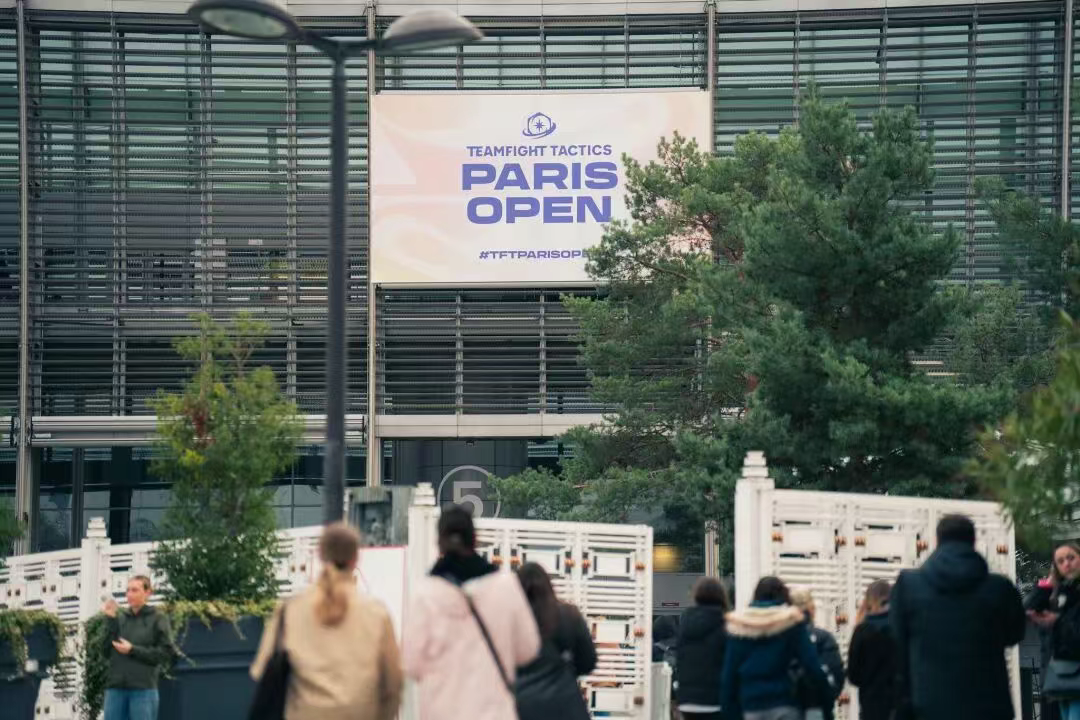
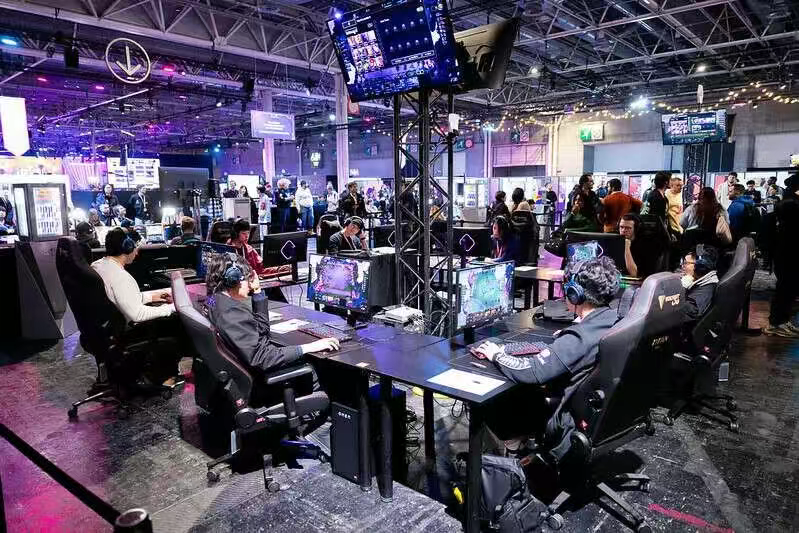
 A Tournament, and More So, a Player Party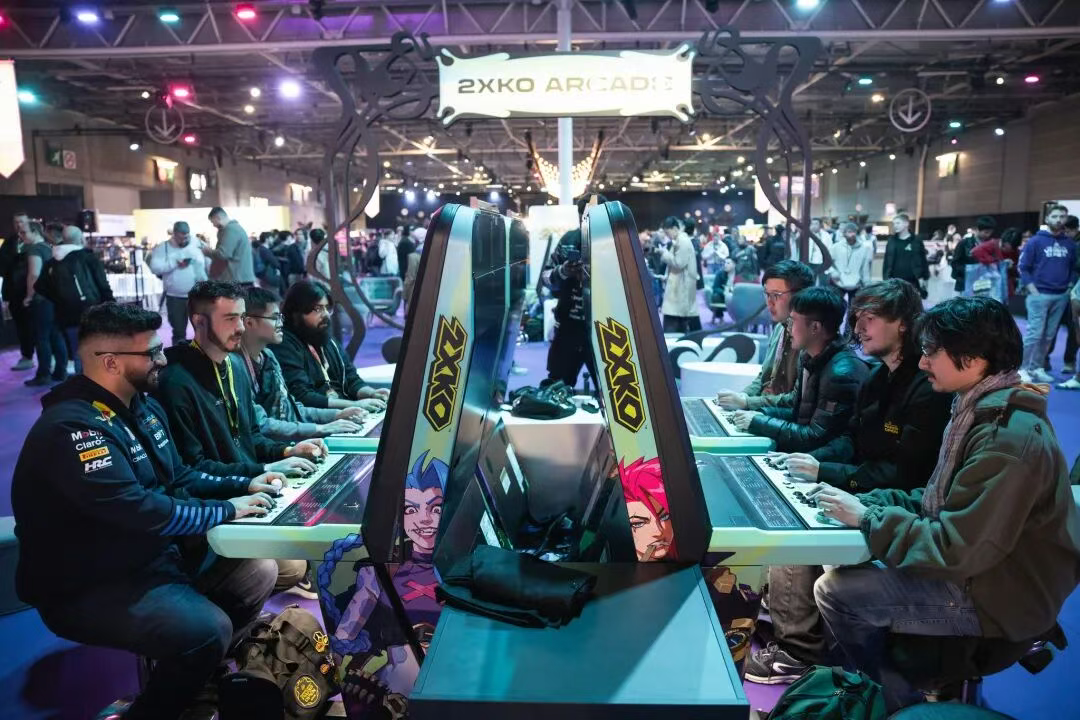


本文系作者Qian Hongyan授权竞核发表,并经竞核编辑,转载请注明出处、作者和本文链接。想和千万竞核用户分享你的新奇观点和发现,点击这里投稿。

 竞核公众号
竞核公众号